Who Founded Bangalore?

The founder of Bangalore is Kempe Gowda I, a chieftain of the Vijayanagara Empire, who established the city in 1537. He built a mud fort and laid the foundation of what would later grow into Bengaluru, one of India’s largest cities.
Kempe Gowda I was a feudatory ruler under the Vijayanagara kings. He belonged to the Yelahanka Nayaka dynasty, which controlled parts of present-day Karnataka. In 1537, Kempe Gowda chose a central location to build a fortified town with the idea of creating a strong trading and cultural centre.
He built a mud fort with four towers in different directions, marking the city boundaries. These towers can still be seen in Bangalore today, and the areas around them became important neighbourhoods.
Kempe Gowda’s fort was located in the modern-day area of K.R. Market. The fort was the nucleus of the city. Inside it, he built roads, markets, and residential zones. He divided the town into pete areas (marketplaces), where traders and artisans settled. Each pete was dedicated to a specific trade like cotton, jewellery, or food grains.
The town planning was advanced for its time with straight roads and separate areas for different communities, helping Bangalore grow faster than other settlements of that era.
- Built lakes such as the Dharmambudhi Tank and Kempambudhi Tank to supply water.
- Encouraged agriculture, trade, and cultural growth, making the city self-sufficient.
- Promoted literature, art, and temple construction.
- Known for fair governance and visionary urban planning.
Though Kempe Gowda founded Bangalore, the Vijayanagara Empire supported his administrative efforts. The empire allowed local chieftains like him to manage and develop their regions. With their support, Kempe Gowda had the resources and authority to build the city.
The Vijayanagara period was known for urban planning and economic development, which is reflected in Bangalore’s early markets and layout.
After Kempe Gowda, Bangalore was ruled by several dynasties. In the 17th century, the Marathas captured it. Later, it came under Hyder Ali and Tipu Sultan of Mysore. Tipu Sultan strengthened the fort and built palaces.
In 1799, after Tipu Sultan’s death, the British took over Bangalore. In the 19th century, they built the Cantonment area, creating two parts of the city—Bangalore Pete (Kempe Gowda’s town) and Bangalore Cantonment (British settlement).
- 1537 – Kempe Gowda I founded Bangalore, built the mud fort, and established markets.
- 1600s – Marathas captured Bangalore for a short time.
- Late 1600s – Wodeyars of Mysore took over.
- 1761 – Hyder Ali captured and strengthened Bangalore.
- 1782 – Tipu Sultan expanded Bangalore and developed it as a military base.
- 1799 – British took control after Tipu Sultan’s death.
- 1809 – British established Bangalore Cantonment.
- 1947 – Bangalore became part of Mysore State after Indian independence.
- 2000s – Bangalore became India’s IT hub with areas like Whitefield developing rapidly.
- Lalbagh Botanical Garden
- Kempambudhi Lake
- Ulsoor
- Mekhri Circle
These towers defined the city’s original limits and still stand as historical markers of Kempe Gowda’s vision.
- Fertile land ideal for agriculture.
- Plenty of water sources for settlement.
- Central location connecting major South Indian trade routes.
- Suitable climate and geography for development.
- Kempegowda International Airport named after him.
- Statues installed at the airport and near Vidhana Soudha.
- His birth anniversary celebrated with cultural events.
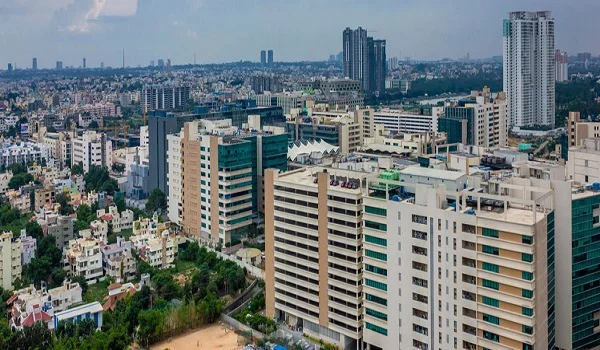
From a small fortified town in 1537, Bangalore has grown into a global city and the IT capital of India. Areas like Whitefield have become modern zones with tech parks, malls, and luxury housing. The foundation laid by Kempe Gowda has evolved into one of India’s most advanced cities.
Kempe Gowda I founded Bangalore in 1537 by building a mud fort and organized markets. His vision of urban planning, water systems, and trade made the city prosperous. Over time, rulers like Tipu Sultan, the British, and modern India shaped it further. From a fortified town to a global IT hub, Bangalore’s journey began with Kempe Gowda’s vision.
Birla Estate pre launch new project is Birla Evara
Birla Evara Blog